How a Viral Stunt Made Tim Payne an Instagram Star
Emma de Groot ·
Listen to this article~5 min
Tim Payne, a relatively unknown rugby player from New Zealand, went viral during the Rugby World Cup, gaining 2.5 million Instagram followers through a simple, playful stunt. Here's how it happened and what it teaches about virality.
You've probably never heard of Tim Payne. But if you've been anywhere near social media lately, you might have seen his name pop up. He's a rugby player from New Zealand who somehow found himself at the center of a viral moment that shot his Instagram following from a few thousand to a staggering 2.5 million. And honestly, it's a wild story that shows just how unpredictable the internet can be.
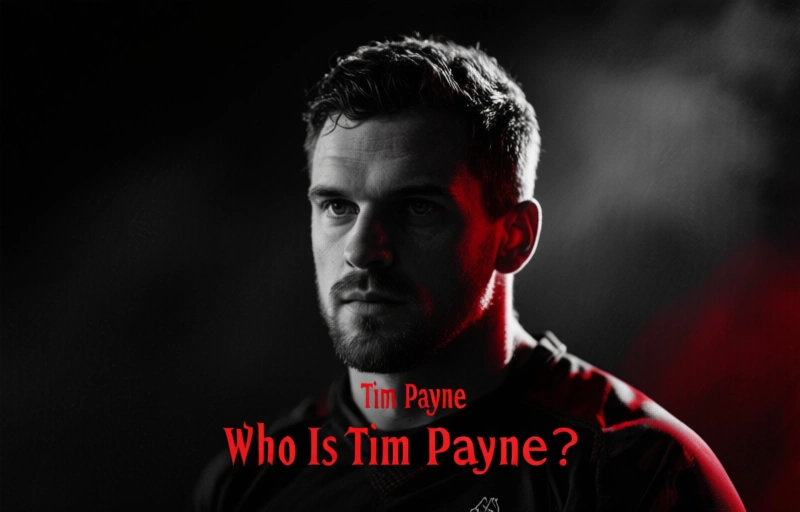
### Who Is Tim Payne?
Tim Payne isn't a household name. He's a professional rugby player who plays for the Chiefs in Super Rugby. He's not the flashiest guy on the field, and he's certainly not someone you'd expect to break the internet. But that's exactly what happened during the Rugby World Cup when a clever stunt turned him into an overnight sensation.
The stunt was simple but genius: someone started a campaign to get Tim Payne to follow them back on Instagram. It sounds silly, but it worked. People jumped on board, and before anyone knew it, Payne's follower count exploded. It's a classic example of how a small idea can snowball into something massive when the internet gets involved.
### Breaking Down the Viral Moment
So, how did it actually happen? Let's break it down:
- **The initial spark**: A fan started a meme or a challenge asking people to follow Tim Payne. It was playful and low-stakes, which made it easy for people to join in.
- **The snowball effect**: As more people followed, the story gained traction on platforms like Twitter and Reddit. News outlets picked it up, and suddenly Tim Payne was trending.
- **The payoff**: Within days, his Instagram account went from a few thousand followers to over 2.5 million. That's a jump of about 2.4 million people in a very short time.
What's interesting is that Tim Payne himself didn't do much to fuel the fire. He just kind of sat back and watched it happen. That's the beauty of viral moments: they don't always require a grand plan. Sometimes they just take on a life of their own.
### What This Means for Brands and Marketers
If you're in the business of building a brand or growing an audience, there's a lot to learn from this story. First, virality isn't always about having the best content or the biggest budget. It's about tapping into something that feels authentic and shareable. The Tim Payne thing worked because it was fun and low-pressure. It wasn't a hard sell or a complicated campaign. It was just a joke that people wanted to be part of.
Second, timing matters. The Rugby World Cup was already in the spotlight, so any related content had a built-in audience. If you can align your message with a trending event or topic, you're more likely to catch the wave.
Finally, don't underestimate the power of community. The people who followed Tim Payne weren't doing it because they were huge rugby fans. They were doing it because it felt like a collective inside joke. That sense of belonging is incredibly powerful.
### The Takeaway
Tim Payne's story is a reminder that the internet is still a weird and wonderful place. One moment you're a relatively unknown athlete, and the next you're a social media phenomenon. It's unpredictable, but it's also full of opportunity.
If you're looking to grow your own following or create buzz around a product, think about what makes your idea shareable. Is it funny? Is it surprising? Does it make people feel like they're part of something bigger? If you can answer yes to any of those, you're on the right track.
And if nothing else, just remember: sometimes the best marketing is the kind that doesn't feel like marketing at all.